

As a consumer walking through the produce aisle in Sweden or anywhere in the EU, you expect fresh, nutritious fruits like apples and pears year-round. Those shiny, crisp apples that look and feel like they were just picked — even in the middle of winter — are often the result of a synthetic post-harvest treatment using 1-methylcyclopropene (1-MCP), a petrochemical-derived gas that artificially delays ripening. While regulators say it’s safe, many everyday shoppers feel uneasy about a process rooted in fossil fuel chemistry that interferes with nature’s natural cycle, applied without their knowledge.
Let’s break it down from a consumer’s perspective.
What Is This Treatment and Why Do Producers Use It?
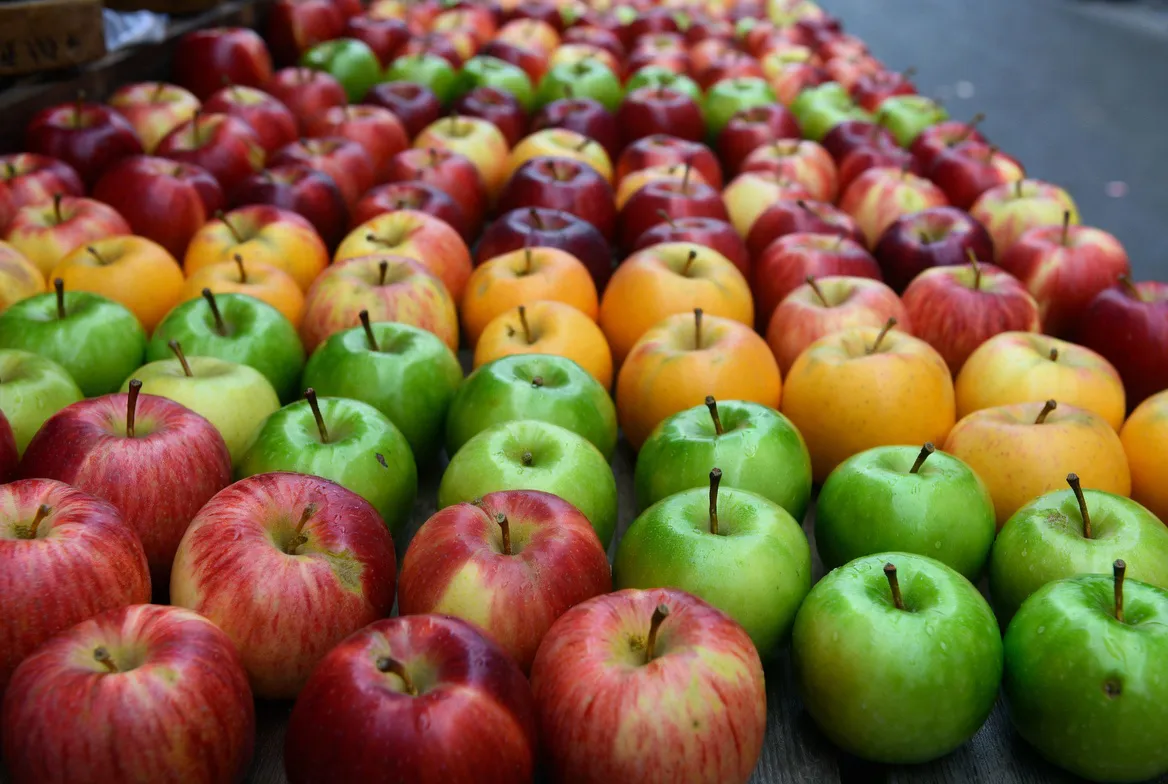
Shortly after harvest, fruits (mainly apples and pears, but also others like plums, avocados, and bananas) are exposed to 1-MCP gas in sealed storage rooms. This synthetic compound blocks the fruit’s natural ethylene receptors — ethylene is the hormone that nature uses to trigger ripening, softening, and eventual spoilage.
Producers rely on it because:
- It extends shelf life dramatically, allowing apples to stay firm, crisp, and flavorful for months — sometimes up to a year in controlled storage.
- It reduces waste by preventing bruising, scalding, mealiness, and decay during long transport or retail display.
- It helps maintain quality even if storage temperatures aren’t perfect, meaning fewer fruits get thrown away and more consistent profits for growers, packers, and supermarkets.
In short, it’s a tool created for year-round availability and economic efficiency in the global supply chain. The main beneficiaries are the sellers and the industry, not necessarily the consumer’s health or the fruit’s natural quality.
How Safe Is It for Your Body?
Official assessments from bodies like the European Food Safety Authority (EFSA), national regulators (including in Sweden), and international reviews conclude that this 1-MCP treatment poses very low risk to consumers. The gas is volatile and evaporates completely, leaving no detectable residues on the fruit (often below 0.01 mg/kg).
Studies show extremely low acute toxicity, no identified human toxic endpoints, and negligible overall exposure risk.
However, it is worth mentioning that there have not been any long-term studies on safety in humans — specifically regarding chronic low-level exposure, neurotoxicity, or reproductive effects from consuming treated produce over many years.
Mainstream science consistently rates it as low-risk when used as approved. No widespread health issues have been linked to treated produce despite decades of use. Still, the lack of transparency — and its petrochemical origins — can feel unsettling to many shoppers.
Interfering with Nature: Nutrient Degradation and the Real Cost
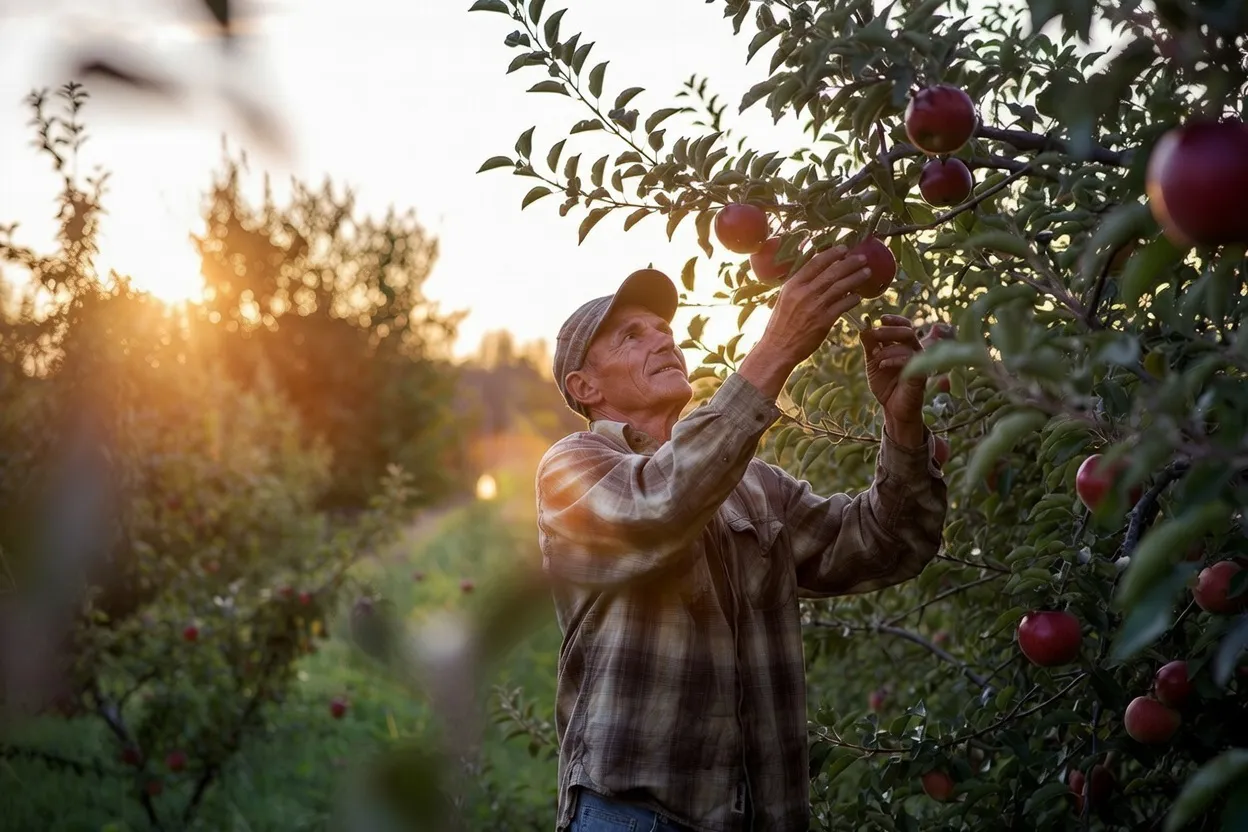
Nature designed fruits to ripen naturally — a process that brings out peak flavor, texture, and nutritional value at the right moment. By blocking this with a synthetic chemical, we keep the fruit in a kind of suspended, unripe state for months.
While some studies show treated fruit can retain firmness or certain polyphenols better during long storage, this is preservation of an “unripe” state rather than an enhancement of natural quality. Many beneficial compounds reach their highest levels during natural ripening — by interfering, the fruit may never fully develop the same nutritional depth.
If maximum nutrient density, natural flavor, and minimal human intervention matter to you, freshly harvested or naturally ripened produce is superior.
The Lack of Transparency: Why Don’t They Tell Us?
In the EU (including Sweden), no mandatory labeling is required on the final fruit sold to consumers. This post-harvest treatment falls under plant growth regulator rules and leaves no residue, so retailers aren’t required to disclose it.
This means you could buy fruit chemically preserved for months without knowing — a concern for those who prefer truly fresh, naturally ripened produce.
What Can You Do as a Consumer to Avoid It?
If you’d rather skip synthetic 1-MCP and choose produce that follows nature’s cycle, here are practical steps:
- Choose certified organic — In the EU and Sweden, organic rules prohibit synthetic treatments like 1-MCP. Look for the EU organic leaf logo and/or the stricter KRAV label.
- Buy local and seasonal — Shop at farmers’ markets, REKO rings, or direct-from-farm outlets. Swedish in-season apples are harvested closer to full ripeness.
- Ask questions — At markets or stores, ask about storage methods.
- Go for varieties that store naturally less — Some heritage apples aren’t commonly treated.
- Consider home storage — Buy in bulk during harvest and store your own in a cool place.
The Bottom Line
This treatment is a trade-off: convenience and reduced waste for the industry versus respecting nature’s ripening process and potentially better natural nutrition for you. Official science says it’s safe based on available data, but with gaps in long-term human studies, many prefer to avoid petrochemical-derived interference.
Eating plenty of fruits and veggies remains one of the healthiest choices — choosing them as close to nature as possible makes it even better! Stay informed, read labels where you can, and support transparent, natural farming.